
Bone Grafting – Torrance, CA
Setting Your Dental Implants Up for Lasting Success
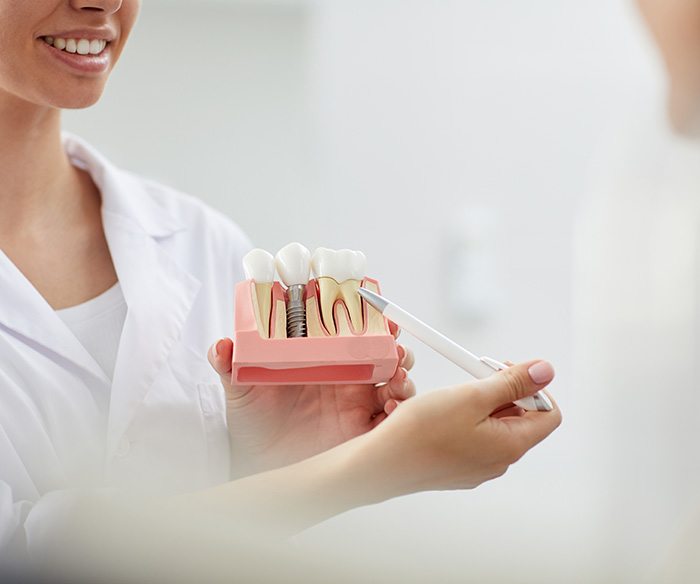
If you’ve been without some of your teeth for a while, you’ve probably noticed differences—both big and small—concerning your smile. Certainly, eating and speaking may come with more difficulty, but you also need to be aware of the impact on your jaw. Tooth loss can cause the underlying jawbone to deteriorate and shrink, weakening the bone to the point where it cannot support dental implants. Thankfully, there is an answer for this issue: bone grafting in Torrance. We can fortify and strengthen your jaw and ensure that when the time comes to replace your missing teeth, you’re set up for success. To learn more or schedule an appointment, just contact our office today!
Why Choose Blue Coast Dental Group for Bone Grafting?
- Dedicated Oral Surgeon with Years of Experience on Staff
- Modern Dental Office with Numerous Patient-Friendly Amenities
- Dental Insurance Accepted & Financing Options Available
What Is Bone Grafting?
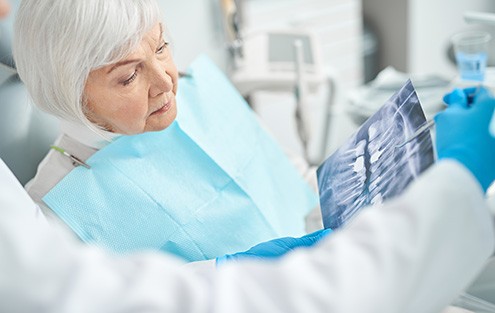
A bone graft is a specialized dental procedure that is used to restore or enhance bone tissue in areas of the jaw that have been weakened due to tooth loss or other circumstances. This process involves placing natural or synthetic bone material in the affected areas to encourage new bone growth and strengthen the existing foundation, often in anticipation of dental implants or other restorations. Simply put, bone grafting ensures long-term oral health, stability for dental implants, and, of course, a natural-looking smile and fuller face!
Bone Grafting After Tooth Loss
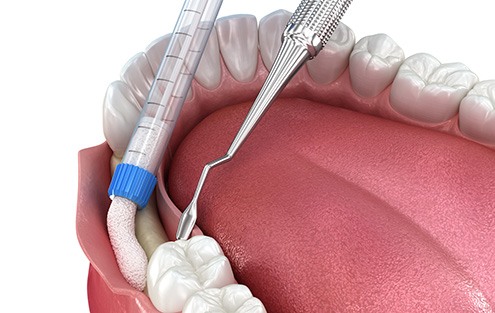
If you’ve been missing one or more of your teeth for a while, there’s a good chance that you’ve experienced bone resorption in those areas of your jaw. This means that due to a lack of stimulation that was once provided by your tooth roots, the underlying bone tissue has stopped growing. In these cases, bone grafting is needed to reconstruct the lost tissue. Often, a small piece of bone from another area of your mouth can be used.
Bone Grafting After Extraction

After a tooth extraction, bone grafting helps preserve the natural shape and strength of your jawbone. When a tooth is removed, since the surrounding bone begins to deteriorate, a bone graft is needed to fill the empty socket with material that supports new bone growth. This procedure also promotes much faster healing following the extraction and sets the stage for future tooth replacement options.
What Are the Benefits of Bone Grafting?
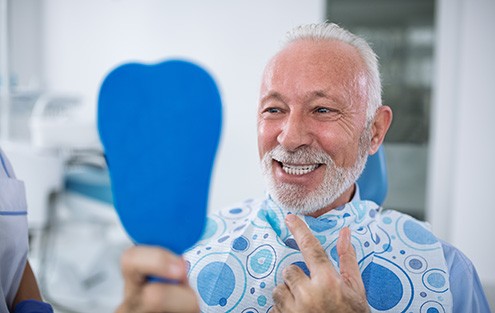
Bone grafting offers several important benefits for your oral health, both now and moving forward, including:
- Prevents future jawbone deterioration, promoting better oral health and helping patients retain a fuller facial structure.
- Prevents dental drift, or the movement of remaining natural teeth that often leads to further tooth loss.
- Supports the lasting success of dental implant restorations, which are considered the gold standard of tooth replacement.
- Improves the long-term stability and function of your smile, meaning daily tasks like eating and speaking will come more easily.
Bone Grafting FAQs
Do I Need a Bone Graft After My Tooth Extraction?
In some cases, bone grafting is needed after a tooth extraction. This is usually the case if the patient has suffered from gum disease or trauma to that area which has resulted in bone loss. By undergoing bone grafting, you can prepare your jawbone for future dental implant placement and restoration to complete your smile. If you don’t have enough healthy bone tissue, it will be difficult or even impossible to place a dental implant and ensure proper healing. In addition to allowing for dental implants, bone grafting can also help to restore the natural shape and size of the jawbone.
Are There Any Risks Related to Bone Grafting?
Just like any other procedure, bone grafting does come with some unlikely risks. Some of the most common ones associated with bone grafting include infection, nerve damage, and complications related to healing. During your consultation, we will discuss all potential risks with you so you know exactly what you can expect. If you think you are experiencing a complication, don’t hesitate to give us a call so we can take a look!
Can I Eat After My Bone Graft?
Yes, you can eat after your bone graft. However, you will need to stick to soft foods and avoid anything overly chewy or crunchy during the initial healing phase. We will provide you with specific instructions for your diet following your procedure. Additionally, it’s important that you maintain excellent oral hygiene to ensure that the surgical site continues to heal quickly and effectively.
Can My Body Reject the Bone Graft?
No. Unlike organ transplants, bone grafts don’t contain any genetic code or living material, only minerals. The only thing that could be an issue is how much bone your body will create in response to the bone graft. If an appropriate level hasn’t been achieved by the time the graft has healed, more grafting material can be added at a later time.
How Long Do I Need to Wait After My Bone Graft to Get a Dental Implant?
The recovery time varies from patient to patient and depends on the extent of bone grafting you’re your own rate of healing. Most patients are able to get dental implants after four to nine months following their procedure. This gives the body enough time to effectively bond with your existing jawbone. Then, you will have sufficient bone density to support your replacement teeth.